Build Your Future Portfolio, Replace Your Resume
Showcase your skills with real-world projects and get hired faster. Join a community of learners and professionals.
From the Blog
Insights, tutorials, and career advice for student engineers.
# Is 3, 6, or 9 Months Enough for GATE Preparation? The Truth Every Student Should Know! Preparing for the Graduate Aptitude Test in Engineering (GATE) is a significant undertaking for any aspiring engineer. The perennial question often revolves around the ideal preparation timeline: how many months are truly sufficient to conquer this challenging exam? Let's dive into the realities and craft a strategy that works for you. 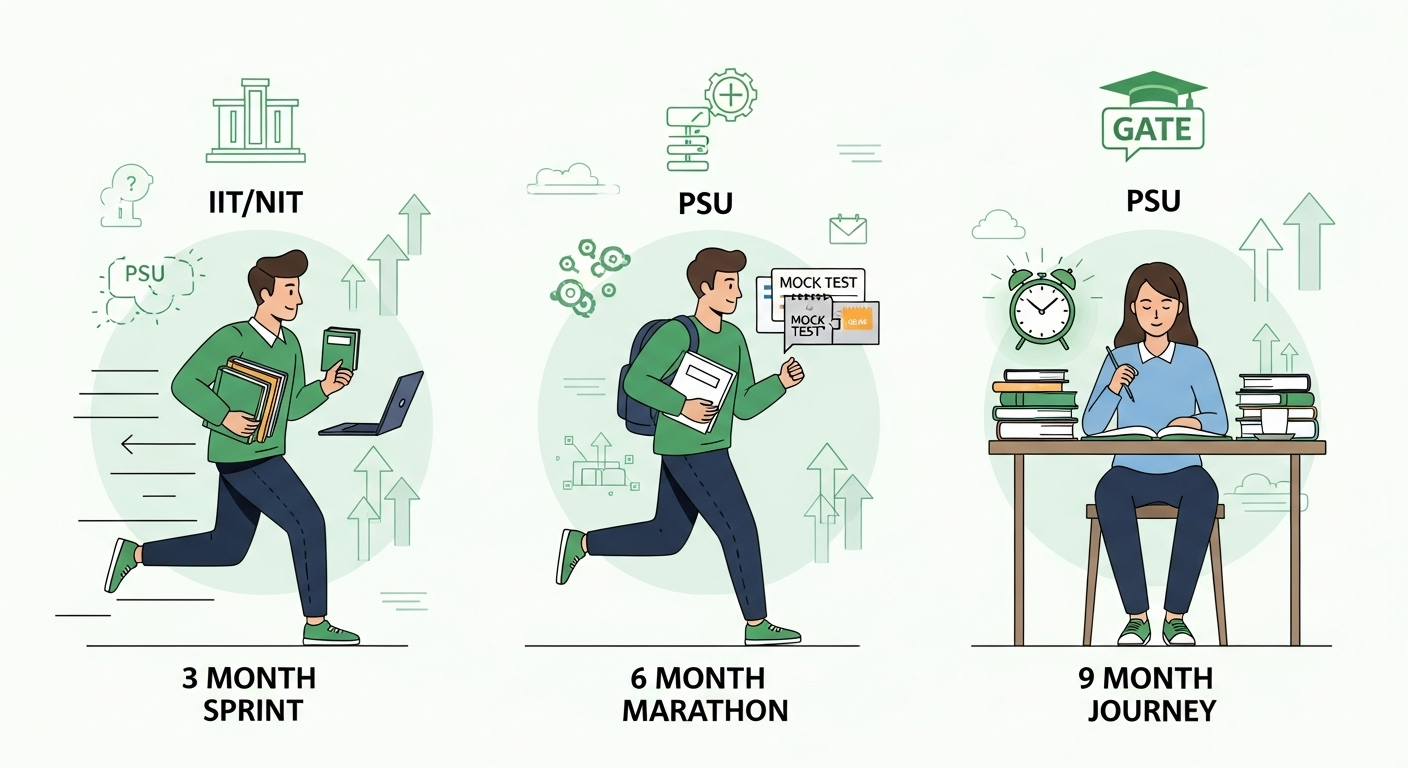 ### The 3-Month Sprint: A High-Intensity Approach A 3-month timeline for GATE preparation is undoubtedly challenging but not impossible, especially for students with a strong academic foundation. This period demands extreme focus, discipline, and efficient time management. * **Prioritize Core Subjects:** Focus intensely on high-weightage topics and your strong areas. * **Intensive Revision:** This phase is almost entirely dedicated to revising concepts and solving previous year papers. * **Mock Tests are Key:** Take weekly full-length mock tests to identify weak areas and improve time management. * **Avoid New Topics:** Unless absolutely critical, refrain from starting entirely new subjects. ### The 6-Month Marathon: Balanced and Strategic Six months provides a more comfortable, yet still rigorous, window for GATE preparation. This duration allows for a balanced approach to cover the syllabus, practice, and revise effectively. * **Syllabus Coverage:** Dedicate the first 3-4 months to thoroughly covering all subjects, paying attention to fundamental concepts. * **Regular Practice:** Integrate daily practice sessions for problem-solving alongside learning new topics. * **Monthly Revision Cycles:** Schedule monthly revision for topics already covered to prevent forgetting. * **Mock Tests and Analysis:** Start mock tests in the final 2-3 months, coupled with detailed performance analysis. ### The 9-Month Journey: Comprehensive and Deep A 9-month preparation window is often considered ideal, especially for those who need to build foundational knowledge or aim for top ranks. It offers ample time for deep learning, extensive practice, and thorough revision. * **Foundation Building:** Start with revisiting basic concepts and strengthening fundamentals across all subjects. * **Detailed Syllabus Coverage:** You have time to cover the entire syllabus comprehensively, including less-frequently asked but important topics. * **Extensive Practice:** Allocate significant time for practicing various types of problems from textbooks, study materials, and previous year papers. * **Multiple Revision Cycles:** Allows for 2-3 complete revision cycles, solidifying understanding and recall. * **Strategic Mock Testing:** Integrate mock tests from the mid-point onwards, gradually increasing frequency. ### What Truly Matters: Beyond the Months Ultimately, the 'right' duration isn't a one-size-fits-all answer. Your existing knowledge base, learning speed, daily dedication, and personal circumstances play a much larger role than the number of months alone. Consistency, effective strategy, and a positive mindset are the true determinants of success. The duration of your GATE preparation hinges on your individual starting point and commitment. Whether you choose a 3, 6, or 9-month plan, a well-structured approach, relentless practice, and strategic revision are non-negotiable. Plan wisely, stay focused, and embark on your GATE journey with confidence!
# Top 10 Engineering Tools Every Developer Needs in 2025 The landscape of software development is constantly evolving, making it crucial for developers to stay updated with the most efficient and powerful tools. Mastering the right set of engineering tools can significantly boost productivity, streamline workflows, and enable the creation of robust, scalable applications. 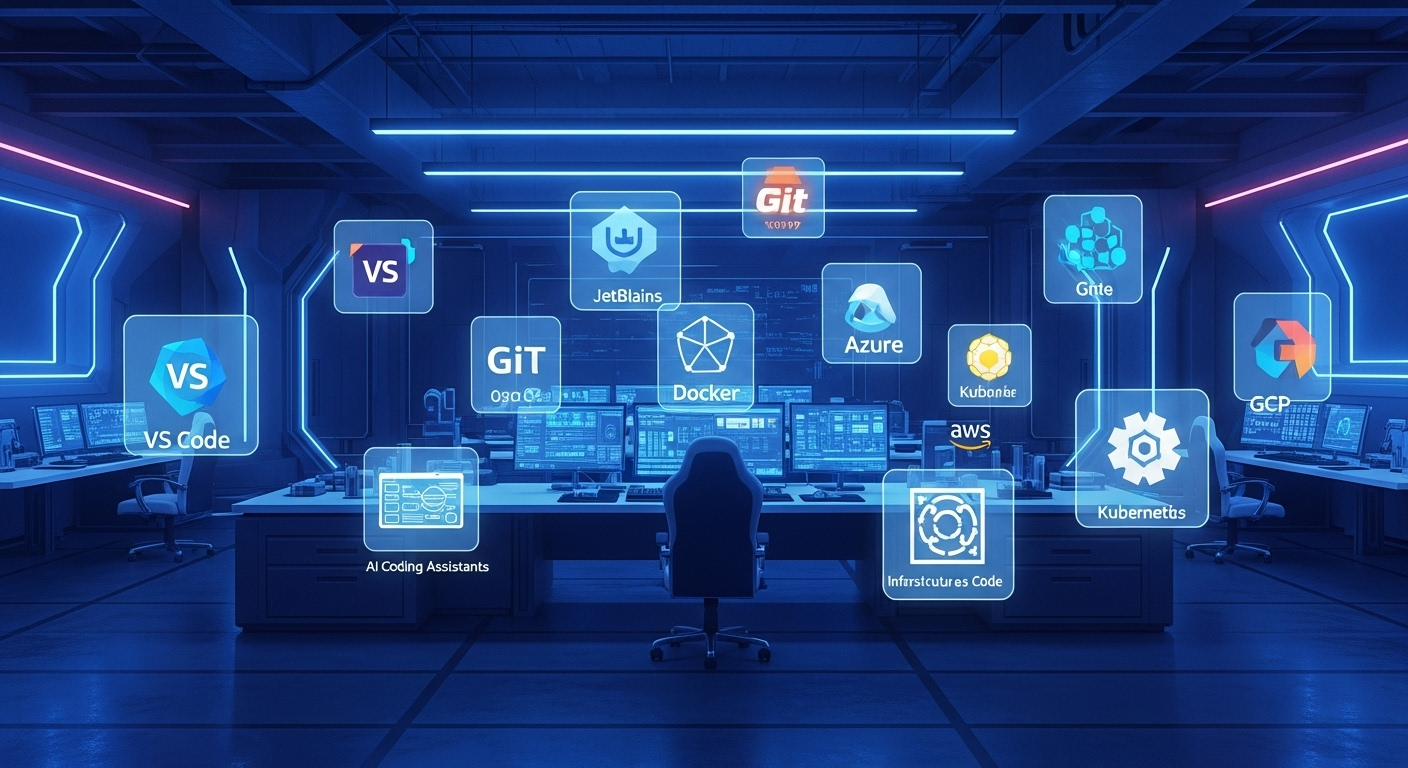 ### Core Development & Collaboration Essentials In 2025, a developer's toolkit must include a strong foundation of development and collaboration tools that support efficient coding and team interaction. 1. **Integrated Development Environments (IDEs) & Editors:** * **VS Code:** Continues to dominate with its vast extension ecosystem, excellent performance, and deep integration with cloud-native development. Expect even smarter AI-driven code completion and debugging. With features like Dev Containers, it's becoming the universal workbench. * **JetBrains IDEs (IntelliJ IDEA, PyCharm, Rider):** Unmatched for specific language ecosystems, offering powerful refactoring, deep analysis, and excellent debugging capabilities. Fleet is gaining traction as a lightweight, distributed IDE. 2. **Version Control Systems (VCS):** * **Git:** Remains the undisputed king. Proficiency in Git (branching, merging, rebasing) is non-negotiable. Platforms like GitHub, GitLab, and Bitbucket are essential for collaboration, code hosting, and CI/CD integration. 3. **Containerization & Orchestration:** * **Docker:** Essential for creating isolated, reproducible development environments and packaging applications. Understanding Docker Compose for multi-container apps is a must. * **Kubernetes:** While complex, basic understanding of Kubernetes (k8s) concepts and how to deploy applications to a cluster is becoming standard for modern backend and cloud developers. Tools like Minikube or Kind are great for local development. 4. **Collaboration & Project Management:** * **Jira/Linear/Asana:** Critical for agile project management, bug tracking, and task allocation within engineering teams. Understanding how to manage your workflow and contribute effectively to project boards is key. 5. **API Development & Testing:** * **Postman/Insomnia:** Indispensable for testing, documenting, and developing APIs. Advanced features like API mocking and test automation are powerful accelerators. ### Advanced AI, Cloud-Native & Observability Tools As AI becomes embedded in development and cloud-native architectures become standard, these tools are rising in prominence. 6. **AI-Powered Coding Assistants:** * **GitHub Copilot/Amazon CodeWhisperer/Tabnine:** These tools are no longer novelties but productivity multipliers. They suggest code, complete functions, and even generate entire blocks of logic based on comments and context, significantly accelerating development. 7. **Cloud Platform CLIs & SDKs (AWS, Azure, GCP):** * Direct interaction with cloud services via their respective Command Line Interfaces (CLIs) and Software Development Kits (SDKs) is fundamental for deploying, managing, and interacting with cloud resources. Knowledge of at least one major cloud provider is crucial. 8. **CI/CD Pipelines:** * **GitHub Actions/GitLab CI/CD/Jenkins:** Automating the build, test, and deployment process is vital for rapid, reliable software delivery. Modern developers should be able to set up and maintain robust CI/CD pipelines. 9. **Monitoring & Observability:** * **Prometheus/Grafana/Datadog/New Relic:** Understanding how to monitor application performance, track metrics, and analyze logs is critical for maintaining healthy, scalable systems. Tools like Prometheus and Grafana offer open-source power, while Datadog and New Relic provide comprehensive commercial solutions. 10. **Infrastructure as Code (IaC):** * **Terraform/Pulumi:** Managing cloud infrastructure through code allows for reproducible, version-controlled deployments. Terraform remains a popular choice for provisioning infrastructure across multiple cloud providers, while Pulumi offers IaC using general-purpose programming languages. Staying ahead in the fast-paced world of software engineering means continuously learning and adapting to new technologies. The tools listed above represent the core competencies and advanced enablers that will define a successful developer's toolkit in 2025. Embrace them, experiment with them, and watch your productivity soar.
# The AI-Powered Blueprint: Generative AI's Revolution in Mechanical Design The landscape of mechanical engineering is undergoing a profound transformation, driven by the emergence of generative artificial intelligence. No longer confined to iterative human-led design cycles, engineers are now leveraging AI to explore vast design spaces, uncover optimal solutions, and innovate at unprecedented speeds. This paradigm shift promises to redefine efficiency, performance, and creativity in product development. ### Beyond Iteration: The Core of Generative Design Generative design, powered by AI algorithms, is a computational process that automatically generates numerous design options based on a set of constraints and objectives defined by the engineer. Instead of designing a component from scratch, engineers specify parameters such as: * **Load requirements:** How much force or stress the part needs to withstand. * **Material properties:** The type of material and its characteristics (e.g., strength, weight). * **Manufacturing methods:** Constraints related to 3D printing, CNC machining, or casting. * **Weight or cost targets:** Specific goals for lightness or economic production. The AI then explores millions of potential geometries, often producing organic, bionic forms that human designers might not conceive. This approach leads to: * **Optimized Performance:** Designs that are inherently lighter, stronger, and more efficient. * **Material Reduction:** Significant savings in raw materials through topology optimization. * **Novel Geometries:** Unconventional shapes that unlock new functionalities and aesthetic possibilities. ### Practical Applications and Future Horizons Generative AI is already making significant inroads across various industries, demonstrating its practical value. * **Aerospace:** Designing lighter, yet stronger, aircraft components like brackets and airfoils, leading to fuel efficiency and reduced operational costs. * **Automotive:** Optimizing chassis components, internal structures, and aesthetic elements for improved safety, performance, and passenger comfort. * **Medical Devices:** Crafting custom implants and prosthetic limbs that perfectly match patient anatomy and functional requirements. * **Consumer Goods:** Innovating product designs for better ergonomics, aesthetics, and sustainability. Looking ahead, the integration of generative AI with advanced simulation tools and automated manufacturing systems will create a fully autonomous design-to-production pipeline. We can anticipate even more sophisticated AI models capable of learning from real-world performance data, refining designs continuously, and even anticipating future market needs. The future of mechanical design is intelligent, adaptive, and endlessly creative. Generative AI is not merely an incremental improvement; it's a fundamental shift in how mechanical design is conceived and executed. By empowering engineers with tools to explore boundless design possibilities and optimize for complex objectives, it's paving the way for a new era of innovation, efficiency, and sustainability in product development.
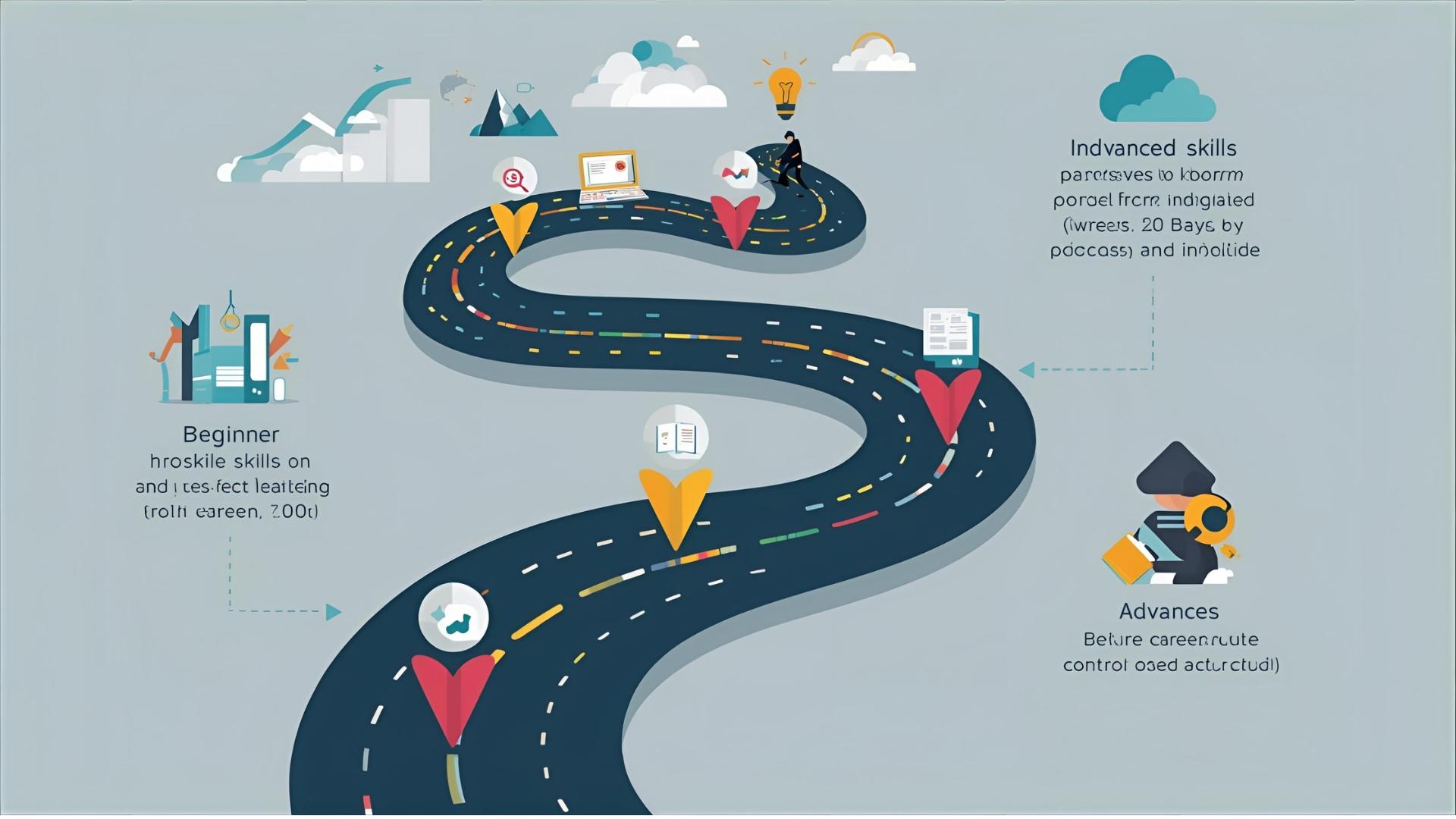
Follow Structured Roadmaps
Our expert-curated roadmaps guide you step-by-step, ensuring you learn the right skills in the right order. No more guesswork, just a clear path to your career goals.
Beginner to advanced topics
Hands-on projects for each stage
Track your progress and stay motivated
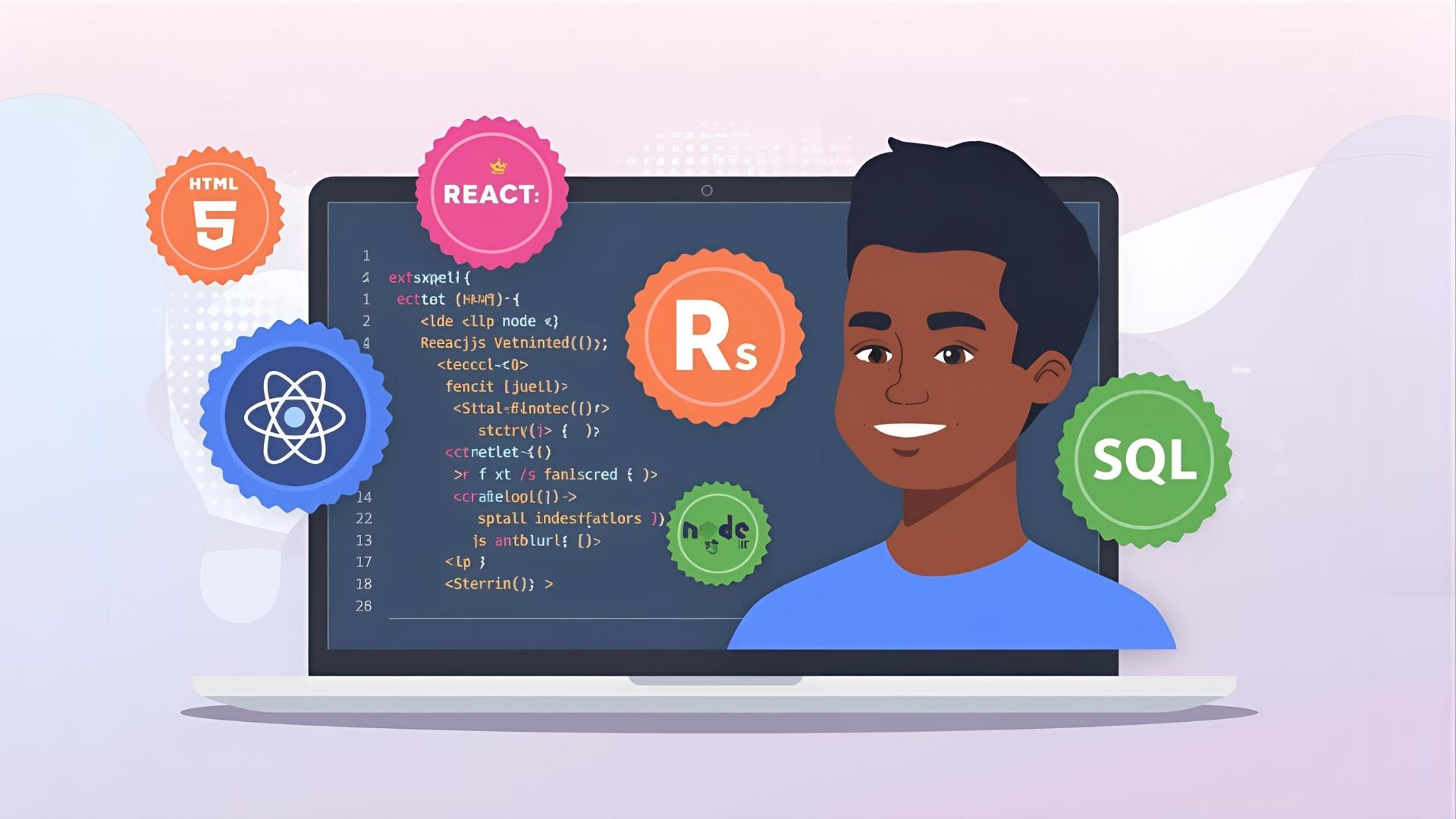
Earn Badges, Show Your Skills
Complete quizzes and challenges to earn skill badges. Display them on your portfolio to validate your expertise and impress potential employers.